Alex Braidwood, Noisolation Heaphones (graduate thesis advisor, design)
Our ears can't blink. It is an observation that is frequently raised in
areas of study such as biology, sociology and sound theory. This is used to demonstrate
how valuable listening has been to our evolutionary development. It also points to why
noise is so intrusive and imposing since we can't easily block it out. The Noisolation
Headphones are an electromechanical listening appendage is designed to exist directly
between a listener and the noise that surrounds them. While worn, exposure to the
noise is structured through a sequence designated by a composer which controls the
behavior of the sound-prevention valves. The composer also determines what values are
adjustable by the listener through the single knob built into the device. The headphones
mechanically create a personal listening experience by composing noise from the
listener's environment, rendering it differently familiar.
Chris Lauritzen, WebTime (graduate thesis advisor, design)
WebTime is a media design installation that explores the the temporal
character of the World Wide Web. As a project, it derives from a hypothesis of the web as
a performative or cinematic cultural event, one with a distinct beginning, a rich history, and
a dynamic present, all of which can be captured and rendered into watchable or otherwise
more consumable media experiences. As a body of work, WebTime begins to pose and
explore questions relating to how a time-based web might be navigated, captured and
consumed, and how it may be possible, through the lens of time, to gain an understanding
of the greater web, its role as a cultural platform, and our place within it. To this end,
WebTime suggests a kind of cosmological understanding of the web, one within which Tim
Berners-Lee plays creator, and all time is measured from the date of the web's invention.
Hoon Oh, The Story Gets Better: Precipitated Experience (graduate thesis advisor, design)
The Story Gets Better: Precipitated Experience is a media-based exploration using the context of sports to investigate the effects of emerging technologies on a new kind of relationship between the human condition and the surrounding environment. The Story Gets Better explores augmented reality, media coverage, and our computational environment.
Myriad Accounts is a functioning real time reading and writing system,
designed to illuminate the nuance of language. As a culmination of my investigations into
linguistic variance, the system is built to reposition readers and writers, and to expand the
palette of methods with which happenings may be recorded through text. My design of
the Myriad Accounts system was programmed by James Turner, a recent Graduate of the
UCLA DMA Program. Through the use of HTML, js, node, web sockets, and the Alchemy
API's topical analysis, this system has become a fully functioning live publishing platform.
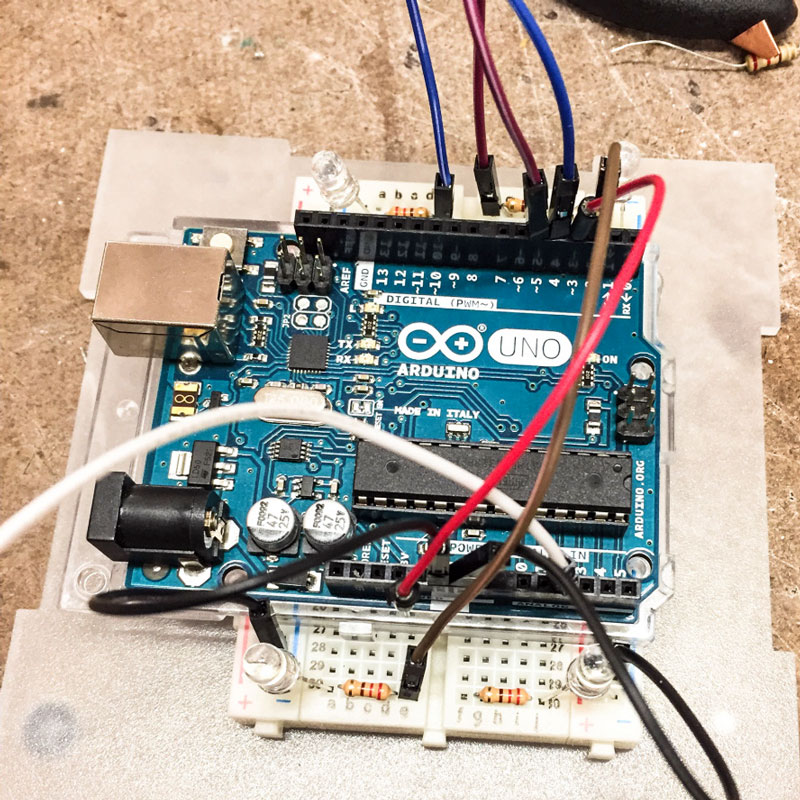
Feedback Occurrences is a media art installation that uses standard
materials, common techniques and everyday electronics to create an inventory of
interactions. The staged events double as meditations on the poetic and the material.
The interactions I create follow a simple rule in which I take objects designed with a
single purpose, arrange them in different ways to give them new meaning. Through
these interactions my aim is to create a space for people to experience the blending of
these materials outside their known qualities. Within each object relationship a level of
anticipation and surprise is introduced where the imagination can be leveraged. I am
interested in creating works where your movement and thoughts ignite a process in which
these staged events come to life. The following explorations are based on the definition of
feedback as a reaction from one object to another object in equal measures.
I.N.T.E.R.V.A.L.S is a thesis project by Chiao Wei Ho. It is composed
by three applications Slow Letter, Dandelion, and White Lies. Together, they create
a system whose distortions challenge the instantaneity of digital communication.By
exchanging convenience and practicality for hidden subjective and emotional values,
the applications expose a need for complex human expression that could never be
satisfied by a single "SEND" button. I.N.T.E.R.V.A.L.S demonstrates an alternative
design methodology that challenges the traditional aspect of practicality, accuracy and
instantaneity in user-centered design. It speculates unconventional services that are wildly
available to us, a space in between. The purpose and prospect of these applications are
the concealed philosophy that provokes us to rethink the meaning of digital interaction.
Matthew Harkness, Reforming IKEA: Do-it-Yourself Projects and Everyday Objects in Disposable Culture (graduate supervisor, design)
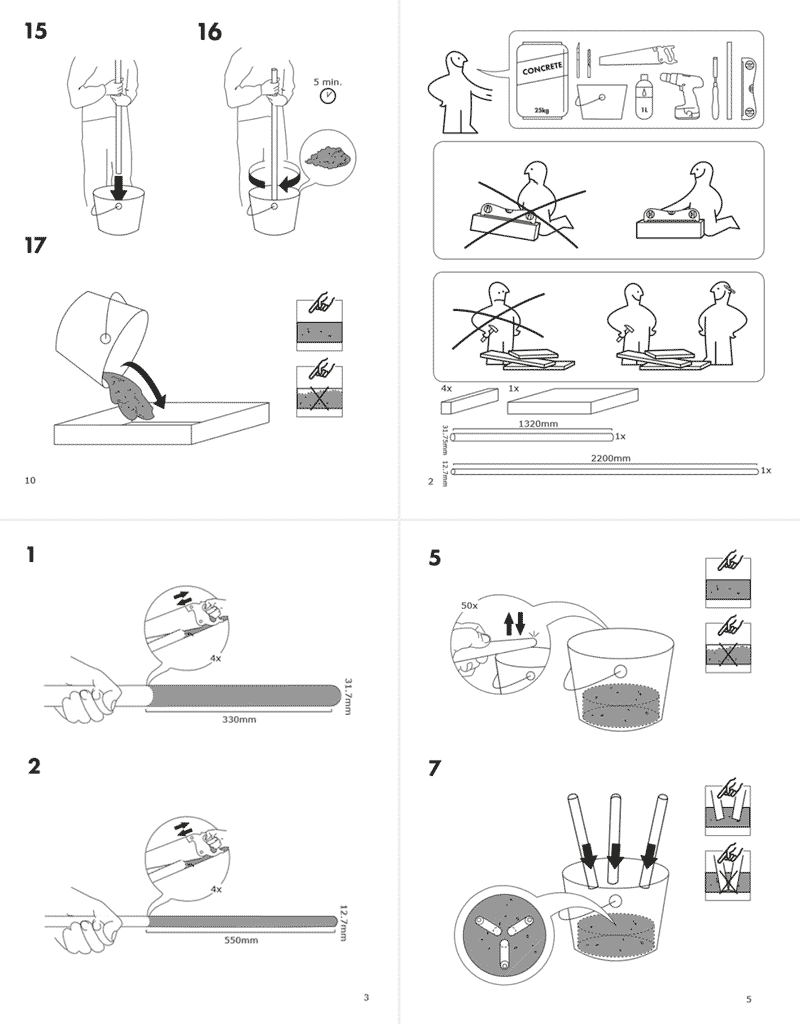
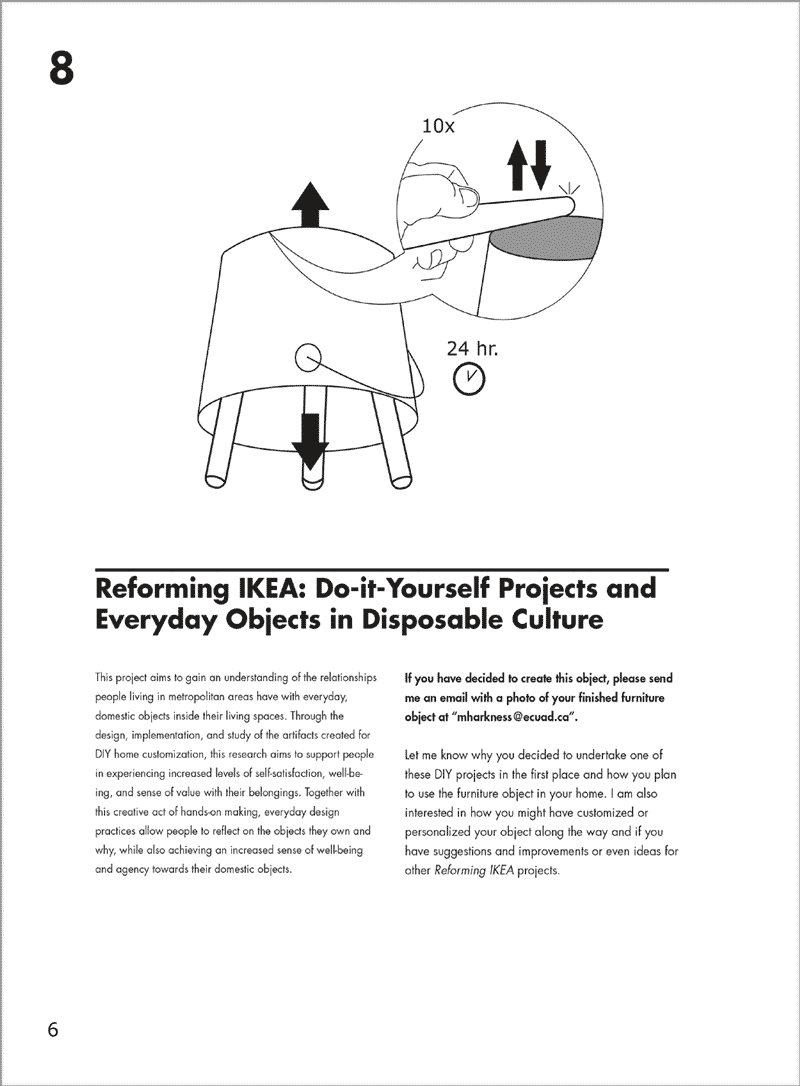
This project aims to gain an understanding of the relationships people have with everyday, domestic objects inside their urban living spaces using Do-it-Yourself (DIY) furniture making projects. Throughout the project, new knowledge is generated using hands-on making activities as a form of Research through Design (RtD). The primary objectives of this research are to open up and encourage these kinds of Do-it-Yourself, experiential learning activities as resources for people to draw on in their everyday lives. By innovating design interventions related to personal well-being and satisfaction with our objects, this project has led to the development of concrete design research exemplars demonstrating how DIY projects can operate as creative resources for everyday design. Through the design, implementation, and study of the artifacts created for DIY home customization, this research aims to support people in experiencing increased levels of self-satisfaction, well-being, and sense of value with their belongings. This investigation focuses on aspects of a domestic object's importance, becoming an 'Everyday Designer,' customization, personalization and their respective relationships to consumption and material culture. As a result of this research, multiple DIY furniture projects and instructional booklets have been created to provide opportunities for everyone from non-designers to experienced makers to conduct a personal material exploration. Together with this creative act of hands-on making, everyday design practices allow people to reflect on the objects they own and why, while also achieving an increased sense of well-being and agency towards their domestic objects.
Emily Smith, (graduate internal advisor, design)
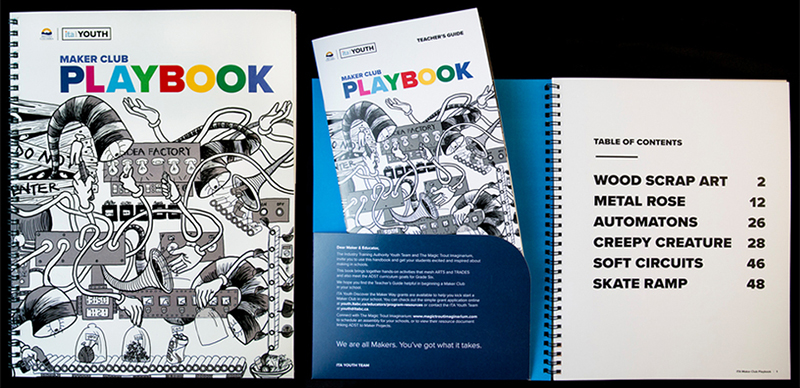
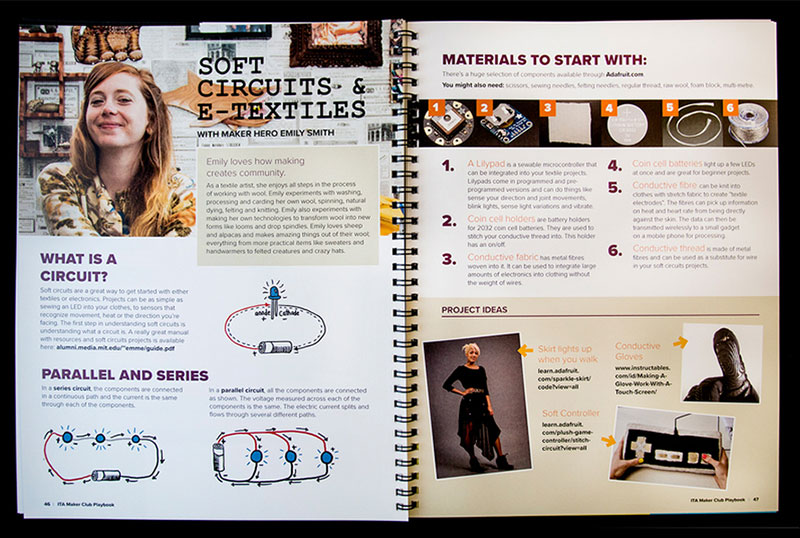
ITA MAKER CLUB PLAYBOOK - The ITA Maker Club Manual is a 3 part resource that introduces students and teachers to maker culture while providing ideas, inspiration, and technical skills related to the trades. Our goal is to support teachers in implementing the new ADST curriculum in a way that is fun and creative. By utilizing recycled materials and exploring 'who makes what' in your community, you can find cheap or free materials to make anything you can imagine. This playbook was written by Emily Smith and Zee Kesler in partnership with the Industry Training Authority and the Magic Trout Imaginarium. This booklet accompanied Professional Development days and funding for districts to get hands-on. This manual is not meant to be prescriptive, but rather serve as a sample of ideas for ways to introduce students to the tools and trades through in engaging fun projects that can be customized to their interests. Once students learn how to use the tools, more projects can stem from their learning based on their interests. The Maker Club Playbook introduces students and teachers to maker culture while providing ideas, inspiration, technical skills related to the trades and projects ideas to support teachers in implementing the new ADST curriculum. The manual features a number of "maker heroes" who have followed their childhood passions for making and now use their technical skills to make engaging, fun and inspirational projects. The manual is not meant to be prescriptive, but rather serve as a sample of ideas for ways to introduce students to the trades through in engaging fun projects that can be customized to their interests. The Teacher Guide provides a background on maker culture and explains how the movement relates to ADST, a much needed cultural shift in making vs consuming and the need for skilled trades in Canada. The manual also provides resources to link teachers to Maker Clubs across North America and tips on how to cultivate the maker spirit in your school.
Tammy Tan, (graduate supervisor, design)
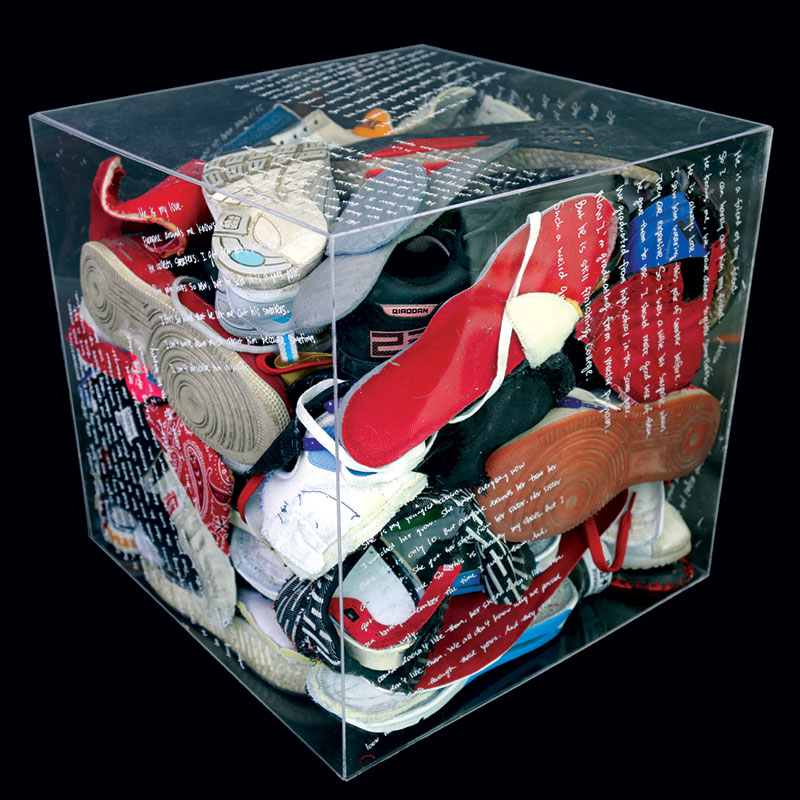
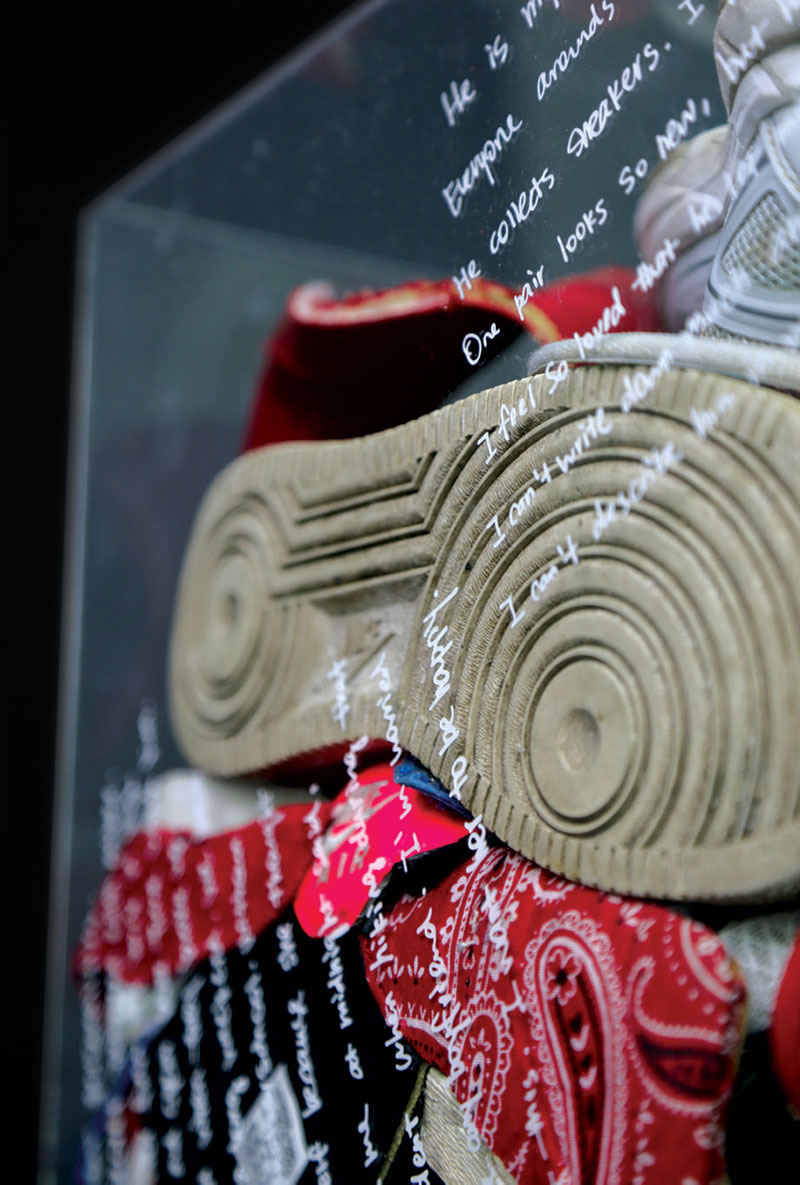
This project explores the relationship between personal narratives and
everyday objects. It aims to gain an understanding of the relationships people have with a
single common everyday object: shoes. My research explores how people's memories are
connected to their shoes. The primary aim of this research is to explore the role of design
can play in transforming people's ordinary possessions into artifacts which tell stories and
convey meaning as well as to encourage people to look deeper into their relationships with
everyday objects.
Michelle Yao, The Experience of a Lifetime: Interactive Digital Experience Beyond the Screen (graduate supervisor, design)
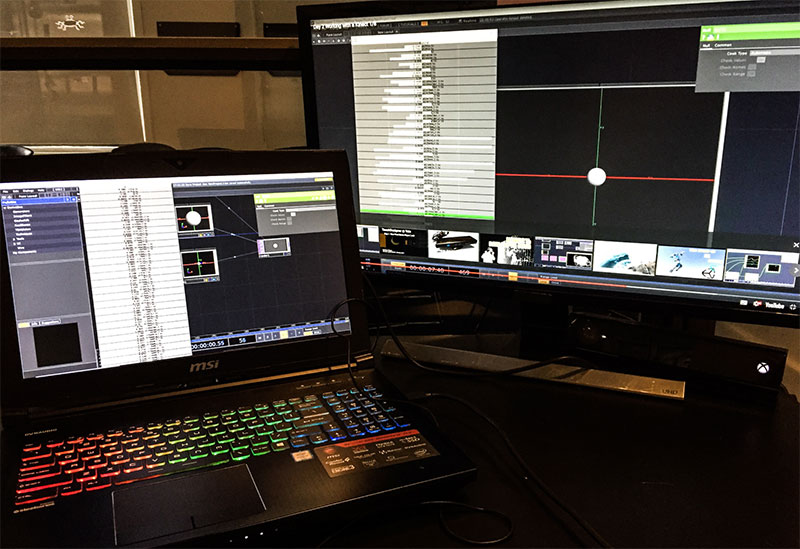
In this practice-based exploration, the author prototyped four interactive digital experiences using different interactive technologies and tools tailored to
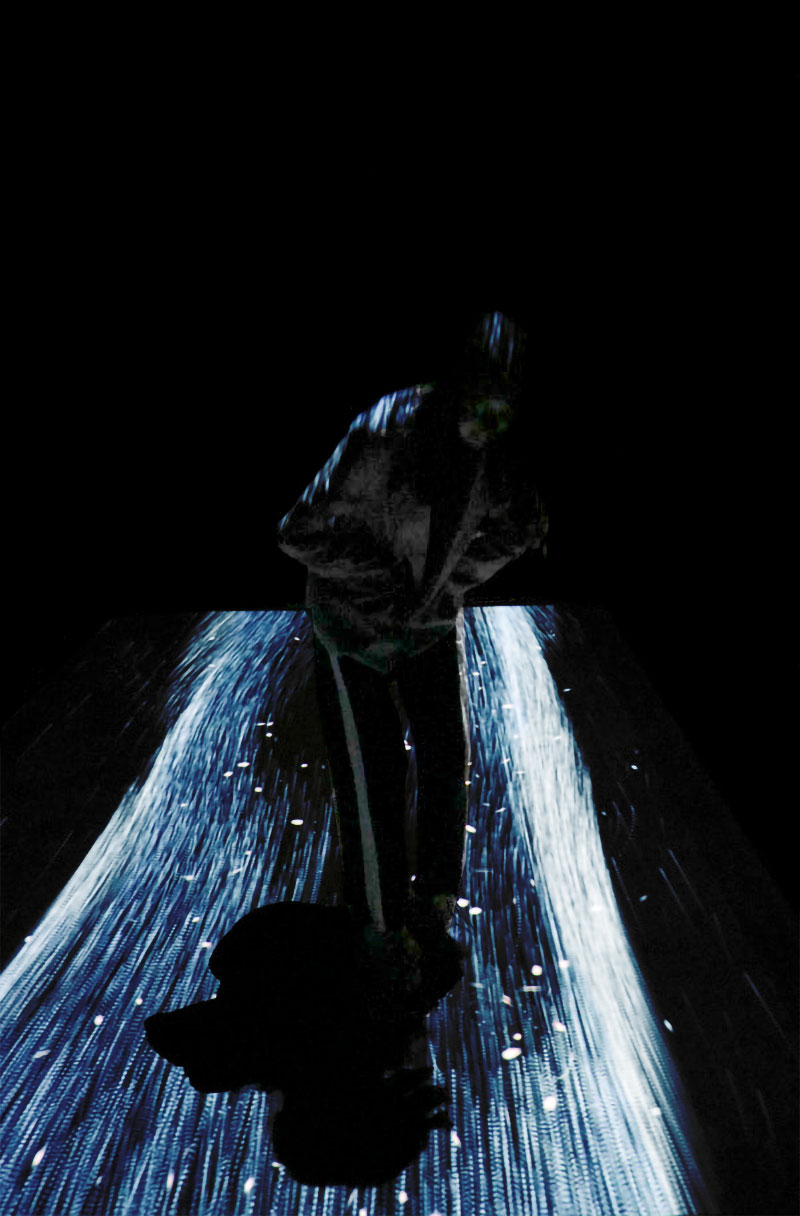
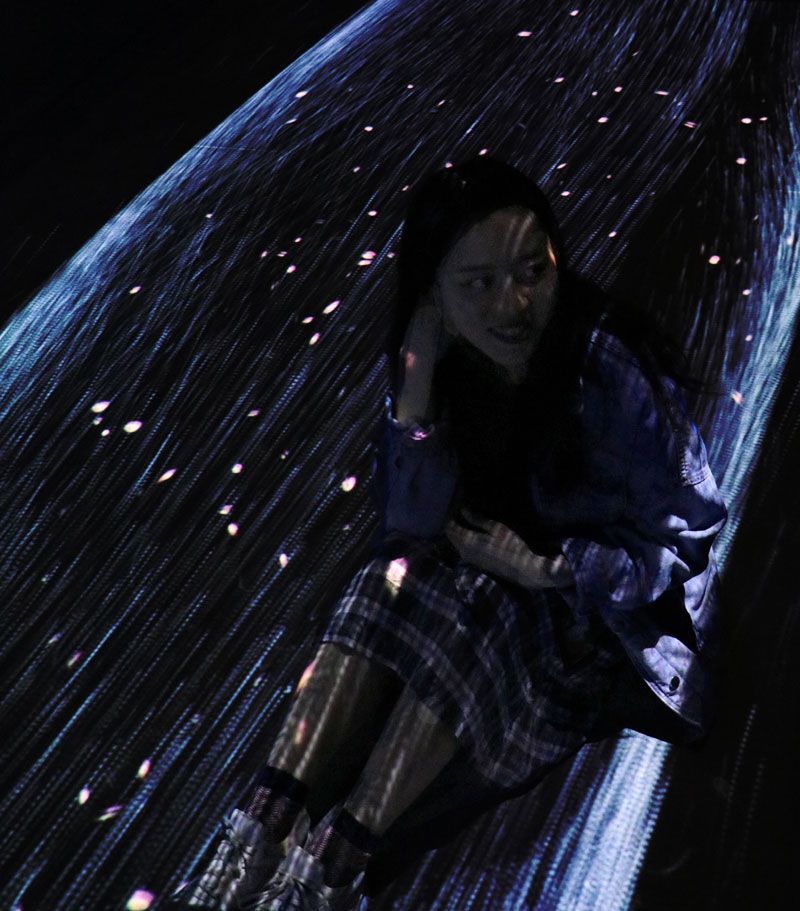
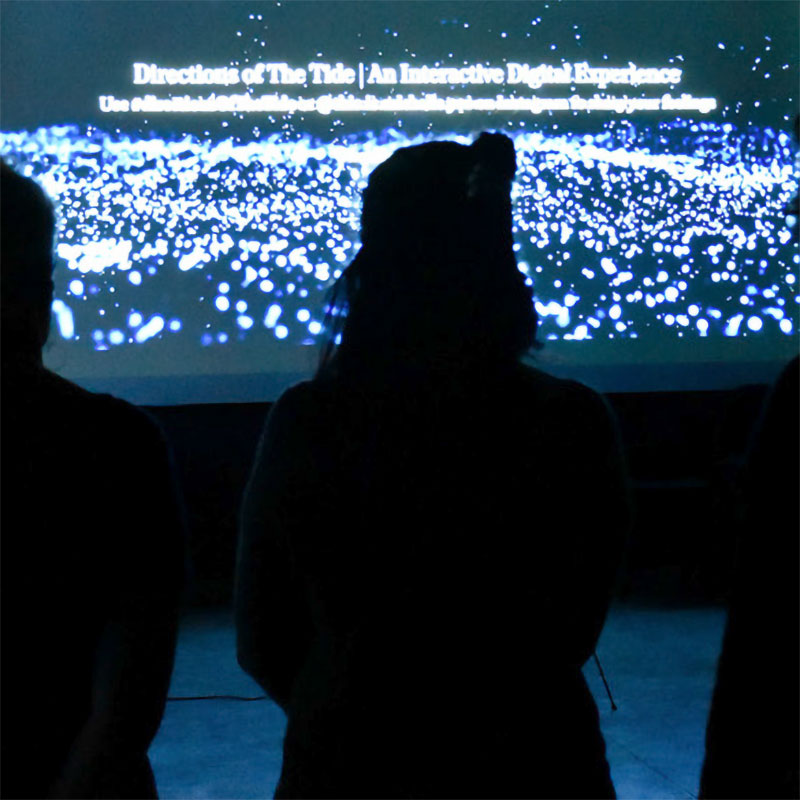
different use case scenarios: 1. an interactive offline retail experience, 2. a "magical" and playful painting, 3. a room-scale interactive installation, and 4. an immersive meditation activity. These projects illustrate and explore the implementation of tangible interactions into digital experience design. The author aims to outline key implications of applying principles of user experience design to the field of tangible interactive environments. In the process, the author argues that tangible interactive design is indispensable in a successful and engaging digital experience, and thus worth investing in and exploring further in Vancouver's marketplace.
Rya Ding, Exploring Noise as Information (graduate supervisor, studio art)
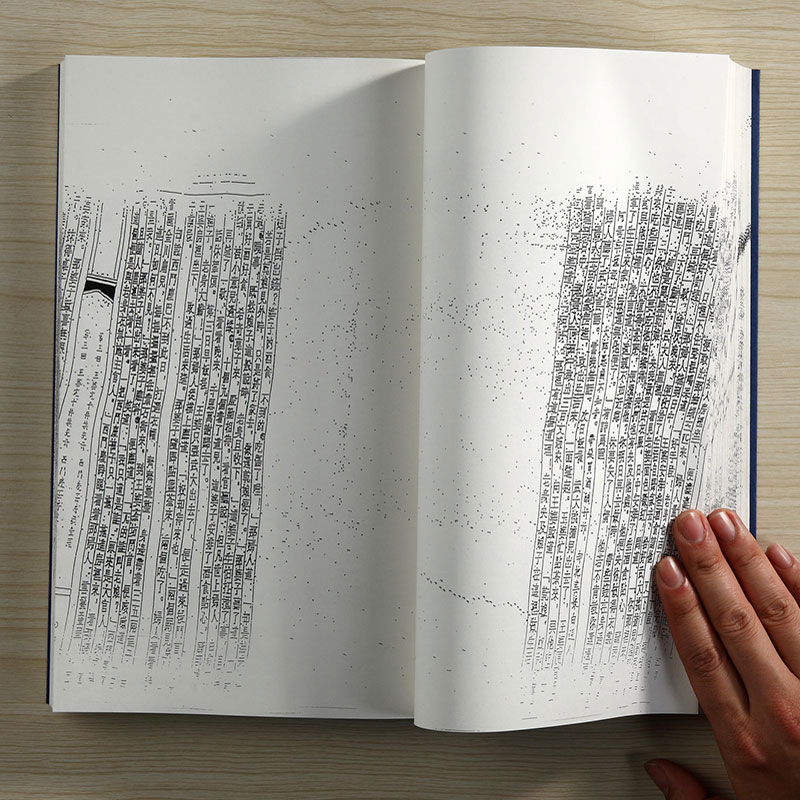
Rya Ding's art practice is based on the study of machines. Instead
of focusing on how machines usually work, Ding discovers and explore the noise of
machines - both visually and aurally. In her work, she uses a photocopier to scan and
print the same image repeatedly, which results in the original image becoming distorted
and abstracted with noise. This work was initially influenced by the distorted homework
paper handouts she regularly received at school in China as a child - many of which
were nearly illegible. In her practice, she explores the idea that noise is information. To
help provide background to this work, three main aspects are discussed: glitch art, actor network
theory, and how it connects to studio practice.
Scott Mallory, Physics at the Limits: A Separate Reality (graduate supervisor, studio art)
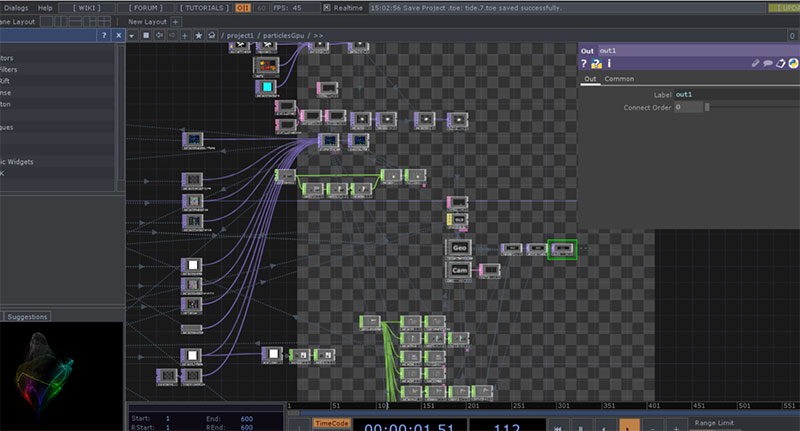
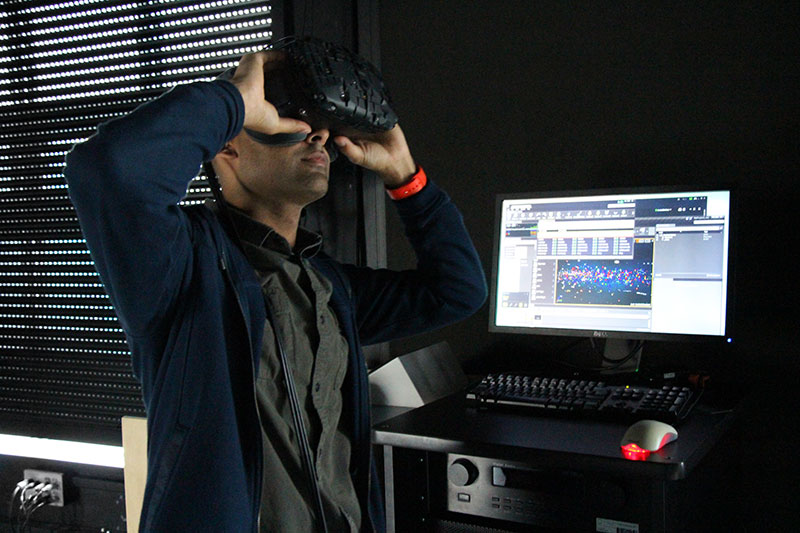
As an MFA studio project, Mallory created "A Separate Reality", an animated visualization of particles in a virtual reality simulation that mimic the behavior of ionizing particles in particle physics. The piece is inspired by the artist observing the Nebulo particle observation cloud chamber at CERN (the European Center for Nuclear Research in Switzerland)- an enclosed box that makes subatomic particle tracks visible. Mallory's project uses a custom-designed VR environment to highlight how the environment and everyday life is constructed out of particles, and helps users make this important perspective shift. As a designer, he leverages his lived experience as a synesthetic individual, and uses this to create insight into particle behavior and the paradoxes and regresses in pursuing the ultimate nature of reality. The particle simulations in this work are derived from observed subatomic particle behavior (neutrinos) in cloud chambers at the CERN and TRIUMF physics labs. (Virtual Reality, Particle Simulations, Gaming Technology. Software: Unreal Engine 4, HTC Vive)
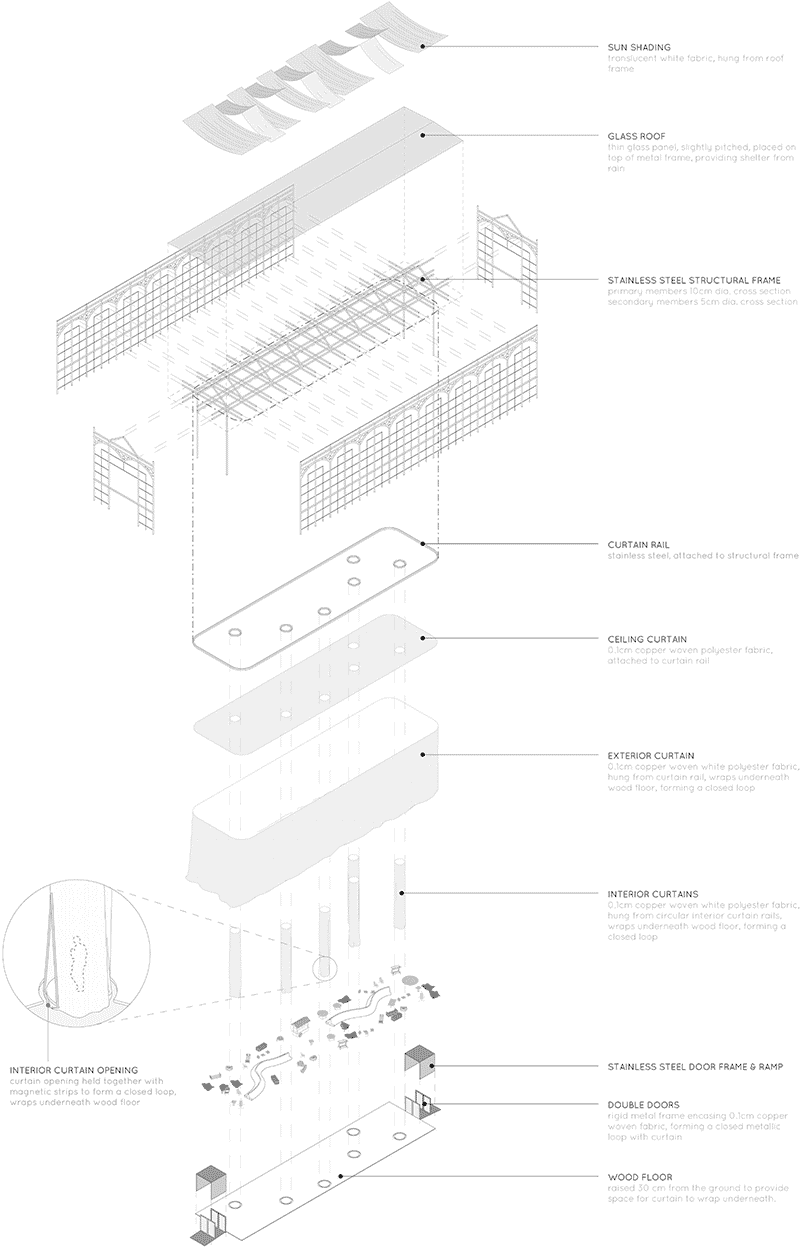
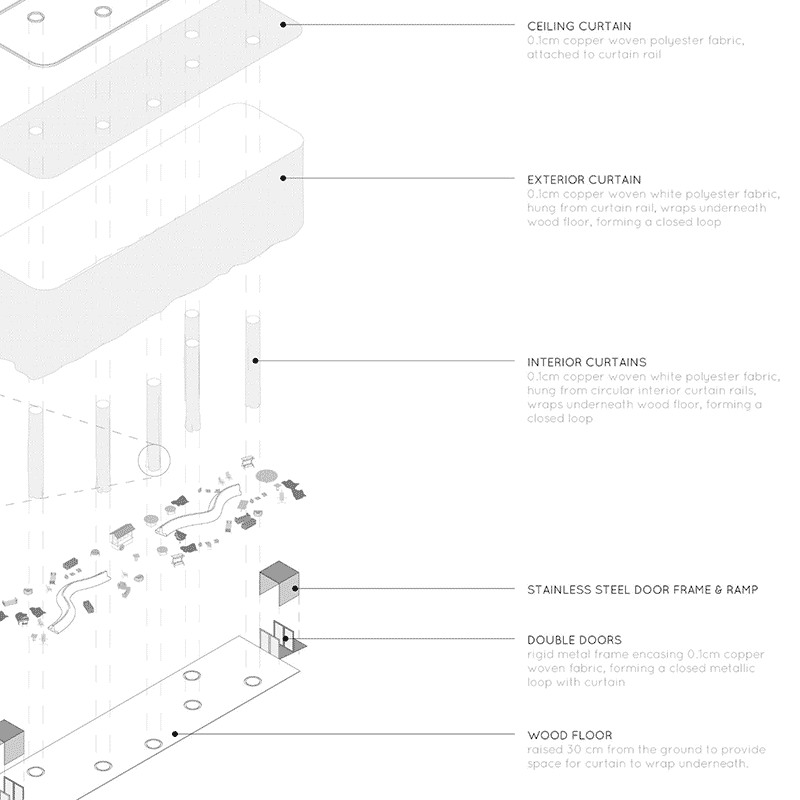
Arthur Or, The Intersection Between Digital and Physical (graduate external advisor, architecture)
The proliferation of digital screens has reconfigured our way of life in at all scales including our experience of the urban city. As screens start to traverse into the field of architecture, architects can no longer ignore the screen as an afterthought and must start considering it as an architectural element.
Kelly Small, The Ethical Sellout (graduate student, design)
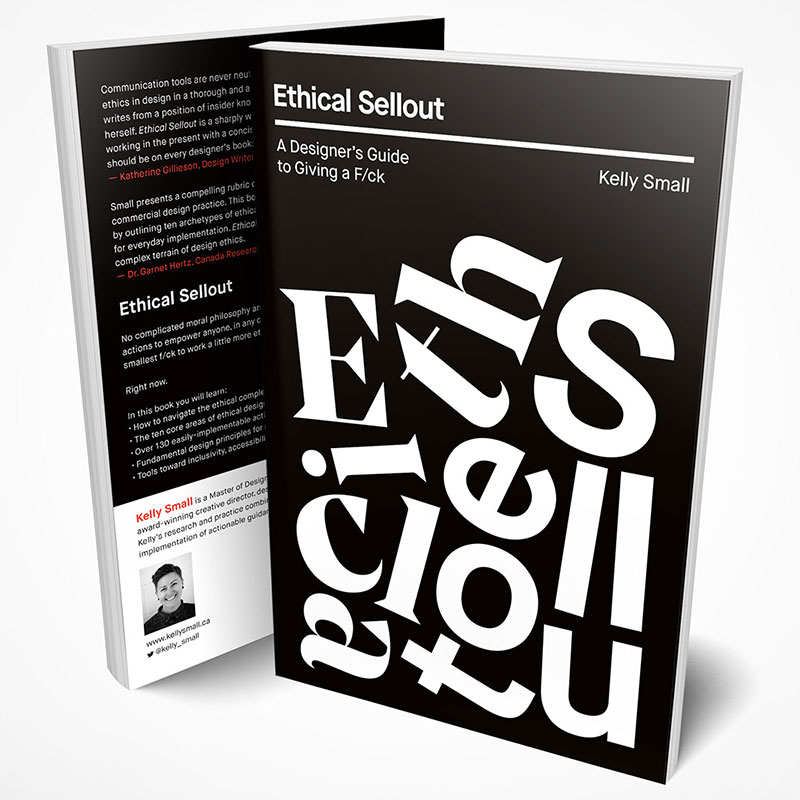
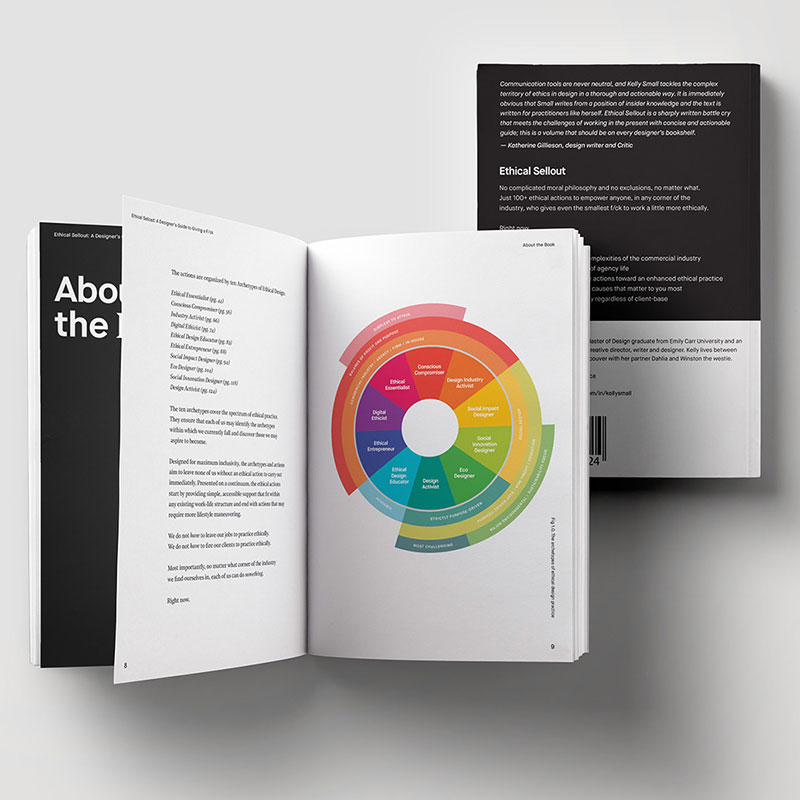
Ethical Sellout is a comprehensive ethical design resource for professionals who give a f/ck about the impact of their work. If your practice has ever challenged your personal values and your aim is to effect meaningful change while earning a living, this practical guide is for you. Ethical Sellout supports any creative professional, in any sector of the industry, with over 130 actions that can incrementally shift anyone toward a more responsible practice. Starting right now. Until now, little has existed to actionably support creatives working in the commercial industry to do so a little more ethically. This rigorously researched field guide does exactly that. In this book you will learn:
To navigate the ethical complexities of the industry
The ten areas of ethical design practice and where you fall
130+ easily-implementable actions toward ethical practice
Core design principles for responsible work
Tools toward inclusivity, accessibility, ethical design for tech, and sustainability
Less soul selling, more f/ck giving.
PEDAGOGICAL STATEMENT
In my experience teaching, I believe in five general approaches that are critical for effective student outcomes:
Critical Making: I use the term Critical Making to describe how hands-on studio production and academic knowledge can work together to have deep cultural impact. Critical Making - as I define it - takes the energy from the Maker Movement and new forms of fabrication and computing and brings it into direct conversation with academic disciplines like design and media art. Although new technologies like the internet of things (IoT) or 3D printing have significantly helped several modes of fabrication and communication, studio production needs to be intertwined with history, theory, and traditional hands-on fabrication. I work closely with my students to build connection points to these areas that provoke, contextualize and actualize their work in relation to a larger field of discourse. As a result of this attitude, my studio courses involve some aspect of history and theory, and my history and theory courses usually involve some aspect of hands-on work.
Deploy Things: I think it is important for students in design and media arts to make functional prototypes that can be deployed in the community. I see that deployable projects have three main benefits for students: 1. improved community engagement, 2. a clearer sense of audience, and 3. the brutal technical demands of trying to get something to function. For example, documentation about the build process of a project is better posted online as a public Instructable than a private blog post to a university course intranet. Alternately, a media art piece has more ability to be demonstrated and exhibited to a wider audience if it actually functions. Making things technically function also builds important practical technical skills like fabrication and coding that are transferrable to other fields. Although the limitations of course timelines can make deployability difficult in all circumstances, it is an approach that I embrace in my teaching. I strive to produce learning environments where students are less focused on pleasing their instructor and more interested on impacting their world; in the process, course objectives become personal objectives.
Grassroots: I agree with Mark Allen (Machine Project, Pomona College) that interpersonal, small, and intimate is significantly better than formal, large and corporate. I fervently believe in the power of small groups of people. I draw energy from Do-It-Yourself (DIY) and "maker" cultures and deploy this in my teaching by producing shared capstone experiences and deliverables like group-published zines, potluck parties, field trips, and publicized demo events. Grassroots environments create memorable educational experiences and foster a strong social network of learners that extends beyond the classroom.
Show Up: I believe that a key component to student-centered teaching involves showing up regularly to work and being available to my students. This may seem like an obvious point, but being in your office with an open door is a key component to communicating and connecting with students. Having a physical space for students - like a lab or studio - is important in helping them form their own social networks, which leads to collaborative projects, friendships, interdisciplinary work, and a more enjoyable educational experience.
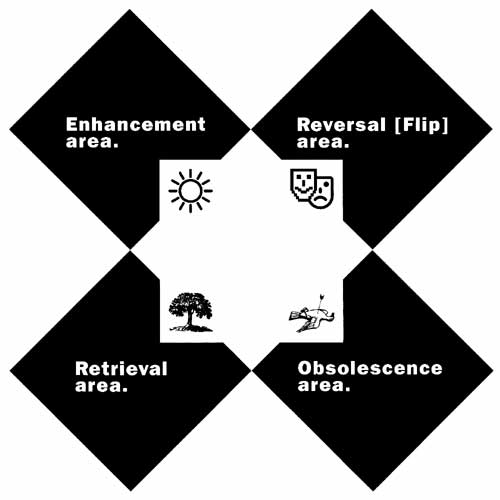
Personal Transformation: Education has little significance unless it produces a prolonged and substantial influence on the way people think about the world, act in it, and emotionally relate to it. Related to this, I often approach education as a path of personal transformation. For example, many individuals come into graduate school as part of a process of deeply re-evaluating the trajectory of their life. Art students also statistically have higher rates of mental health issues than students from other disciplines. To help acknowledge some of these issues, I regularly use the concept of 'Ikigai' as a framework for iterating studio projects with students. This concept articulates that a satisfied life is the result of finding work that is a combination of four key factors: 1. what you are good at, 2. what you love to do, 3. what the world needs, and 4. what you can be paid for. Although not a cure-all, I have found this rubric useful for senior capstone projects and masters thesis projects. For example, I get students to take their proposed thesis project and rethink it through the lens of what the student is good at, what they love doing, what the world needs, and what they can be paid for. This process often results in the student focusing their work in a direction that connects more with a sense of personal meaning.
TEACHING EXPERIENCE
I have taught at post-secondary institutions since 2000. During 2008, I was nominated for a departmental teaching award and was selected as a Pedagogical Fellow that received specialized teacher training, including ESL-related teaching, feedback and evaluation techniques. I have taught at several institutions including University of California Irvine, Art Center College of Art and Design, University of Regina, and Emily Carr University. During this time, formal student evaluations of my work as a teacher has been consistently strong; when asked to provide confidential comments about my effectiveness as a teacher, students replied:
"Very good teacher that gives good examples and puts things in terms all students understand."
"He is great. No complaints."
"His personality is awesome, and makes you want to pay attention, and not fall asleep. I also like the way he has everything organized on a website. That way if I don't remember slight details, I can go back to my dorm and review the website later. Keep it up the good work Garnet!!"
"He comes to class with the layout of what we're going to do already finished and on the web. He posts stuff so that we can always access it from the internet, which is helpful for deadlines and such."
"He's really good at getting information across. I like how he helps us understand things when we don't get it... entertaining, keeps the mood light so the work doesn't seem as stressful or difficult."
My fields of expertise include 3D fabrication, computer programming, electronics, media theory, design theory, industrial design, digital imaging, computer based installation, robotics, visual studies, and the history and theory of digital culture. Transitioning from instruction of code, essay writing, history of computing, critical media theory, and studio critique is a dynamic and enjoyable part of my teaching process.
My formal background in film and media studies, studio arts, engineering and computer science offers considerable flexibility in course offerings and design. I offer a wide range of courses in digital media, and am especially interested in working to explore interdisciplinary initiatives in this field.
My teaching can generally be divided into three themes: studio art, physical computing, and media theory & history. Most of these categories are significantly blended and twisted together, however. The specific courses outlined in this package are meant to show unique course offerings I am able to teach in addition to core course offerings.
Course outlines are included below. If you have a specific teaching need, contact me for a detailed course proposal: I'm happy to build one that fits your specific set of circumstances.
Course: DISOBEDIENT ELECTRONICS: INTRODUCTION TO 3D FORM, CNC FABRICATION AND PHYSICAL COMPUTING
Catalog Description: This course teaches students the basics of using traditional power tools for sculptural fabrication, CNC fabrication, and physical computing. The class also introduces the students to "post-optimal" design or "critical making", or design that is concerned with more than just trying to make products easier to use, faster or more convenient. During this class, you will design and build an object using electronics and CNC machining that tries to be provocative, raise questions, and challenge how we think about the everyday world and technology.
The course starts by introducing physical construction across several different media, including wood, metal, and plastics. In addition to standard fabrication equipment, such as table saws, drills, routers, and sanders, this course introduces students to computer-aided milling and rapid-prototyping equipment.
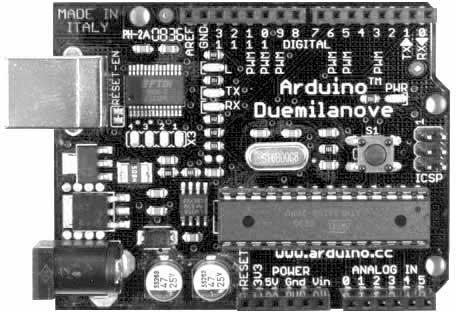
The course then introduces students to the Arduino microcontroller ecosystem as a physical computing platform that enables buttons, motors and sensors to make interactive physical objects. A basic overview of electronic fabrication will be provided, including soldering equipment, power supplies, multimeters, oscilloscopes, and basic components.
As a guideline, your core project must: 1. Include at least one piece of custom CNC machined or 3D printed material, and 2. Include some form of custom built electronics and some type of interactivity. For the topic of your project, pick one (or more) of the following themes to guide your work:
Speculative Design / Design Fiction: Like science fiction, an object can point to a speculative future that only partially resembles the present day. How can a designed object act as a cautionary tale about what the future might hold? In what ways might the future be distopic, and what devices might we need in it? If specific variables change and drastically alter the world (global warming, oil, water, population) what would we need to survive? What would present-day things be like if the past was considerably different (like steampunk)?
Ludic Design: How can an object be built to be playful, ambiguous, or confusing? How can a sense of wonder or mystery in the world be enhanced?
Critical Design: How can an electronic object be built to critique mass-market electronic products? How can an object increase mindfulness or existential awareness in the user? What happens when an object is designed that makes the user feel uneasy?
Adversarial Design / Tactical Media / Hack: How can a project be built to be highlight the unfair use of power? What marginalized individuals, groups or opinions can be highlighted in a clever way? Who is voiceless, and how can you amplify their voice? How can existing systems be modified, hacked or misused to reveal how they are biased? What happens when an object is built to communicate an argument in an interesting way?
Disobedient Objects: Most objects are designed to do exactly as they are told. What would happen if objects could do as they pleased? What would they want? What would they dream about? What would they do for work, fun, or entertainment?
Unconventional Users: Most objects are built to be used by humans with ten fingers, two hands, two legs, two eyes and a 'standard' body. How would objects be designed if they were used by individuals without these types of bodies or senses? How would objects be redesigned if they did not have binary assumptions around gender? What would an object be designed like if it was built for a non-human to use?
Slow Interaction: Most products are designed to be easy to use, quick, and efficient. How can systems be improved by slowing them down? How can focus be increased? How can interactions be made more meaningful?
Bespokeness: How would an object be redesigned if it was highly customized for one particular person? (Do not build it for yourself: customize it for another person at least 10 years older or younger than you.)
Reflective Design: How can an object expose the unconscious adoption of values within conventional technological products or culture? How can you highlight the biased assumptions built into the artifacts around us? What values are taken for granted? Can you make something that makes the invisible into something visible?
Make an App-Thing: If an app would exist as a physical thing, what would it be like? What would it look like and how would it work? Alternately, how could a machine be built to use one specific app on your phone, like a piece of meat attached to a spinning shaft continually swipes Tinder?
Level: Flexible: Flexible: can be offered as undergraduate or graduate. Depending on level of depth required, this course can be split into a multi-semester course series.
Format: Weekly studio/lab sessions.
Discipline: This course is intended for media arts students, but is also of interest to those that want to explore the intersection of computation, physical materials, manufacturing processes, traditional crafts, CNC, or product design.
Prerequisites: Students need experience with vector-based computer drawing tools (Adobe Illustrator or similar) or 3D modelling. Some interest in the following topics is encouraged: manual fabrication, sculptural form, interactive objects, industrial design, 3D printing, or CNC fabrication.
Deliverables: One capstone project continually iterated in weekly stages.
Massimo Banzi, Getting Started with Arduino (2008).
Tom Igoe and Dan O'Sullivan, Physical Computing: Sensing and Controlling the Physical World with Computers (2004).
Paul Jackson, Folding Techniques for Designers: From Sheet to Form (2011).
Course: D.I.Y. STUDIO: INTRODUCTION TO ELECTRONICS AND INTERACTIVITY
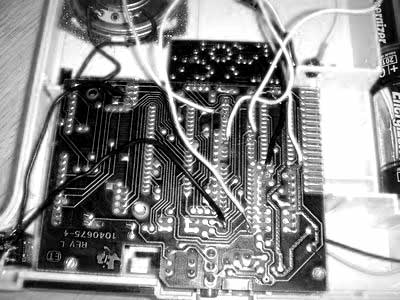
Catalog Description: This course teaches students the basics of building electronic and interactive objects through a "Do It Yourself" approach: we will use found and discarded electronic devices to build projects and learn about electronics in the process. This course emphasizes that end-users (consumers) should be encouraged to re-design, build, and hack their own technologies in ways not initially designed. You will learn the basics of electronics and reverse engineering: this is the first step in democratizing the engineering process, and it provides a new range of objects and devices to incorporate into your life and creative practice.
Level: Flexible: can be offered as undergraduate or graduate.
Format: Weekly studio/lab sessions. Field trip to locate discarded technologies.
Discipline: This course is intended for studio and media arts students, but is also of interest to those that want to explore the intersection of computation, physical materials,
manufacturing processes, traditional crafts, and design.
Prerequisites: No prerequisites are required.
Some interest in one of the following topics is encouraged: electrical
engineering, traditional crafts, industrial design,
educational technology, mechanical engineering,
open-source/do-it-yourself development, circuit bending, or electronic music.
Deliverables: One written exam on the basics of electronics, one project where an existing technology is modified or "circuit bent" to produce audio, and a final project that takes a piece of consumer electronics and repurposes it for some specific application of personal relevance to the student.
Readings:
Reed Ghazala, Circuit-Bending (2005).
Tom Igoe, Making Things Talk: Practical Methods for Connecting Physical Objects (2007).
Forrest M. Mims, Getting Started in Electronics (1983).
Course: MICROCONTROLLERS: SENSING AND INTERACTING WITH THE WORLD
Catalog Description: This course teaches students how to use microcontrollers to build creative projects that sense and interact with the physical world.
This course explores development with microcontrollers, which are small computers specifically designed to interact with the physical world, with various sensors to construct interactive environments and responsive artwork/performance systems. The focus of this course will be on building projects that incorporate the Arduino microcontroller, a relatively easy to use microcontroller system. The course also provides a theoretical context for interactivity within the context of art, and introduces students to recent developments in human-computer interaction in new musical instruments, the visual and spatial arts, engineering, science, and other areas of interest.
Level: Upper level undergraduate or graduate.
Format: Weekly studio/lab sessions with critiques.
Discipline: This course is of interest to interactive and media arts students, but is also of interest to those that want to explore the intersection of computation, physical materials, interactive systems, ubiquitous computing, human computer interaction and product design.
Prerequisites: Students are strongly encouraged to have some previous experience with electronics. Interest in one of the following topics is encouraged: electrical
engineering, traditional crafts, industrial design,
mechanical engineering, informatics,
open-source/do-it-yourself development or robotics.
Deliverables: One written exam on the basics of microcontrollers, one microcontroller sensor/actuator assignment, and a final microcontroller project designed by the student.
Readings:
Massimo Banzi, Getting Started with Arduino (2008).
Tom Igoe and Dan O'Sullivan, Physical Computing: Sensing and Controlling the Physical World with Computers (2004).
Forrest M. Mims, Getting Started in Electronics (1983).
THEME: MEDIA THEORY & HISTORY
Course: DEAD MEDIA STUDIO LAB
Catalog Description:
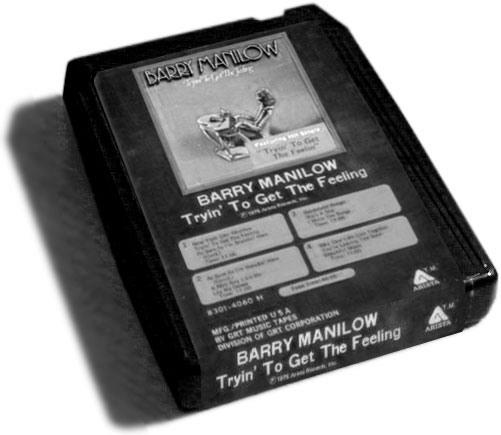
This course encourages a hands-on approach to exploring the history of media technology by working directly with obsolete or forgotten media forms. This course methodology is devoted to media archaeology, a materialistic approach to historical research that emphasizes the importance of lesser-known and obsolete communication technologies. From the telegraph to vinyl records, and from the typewriter to the 8-track tape, this course strives to rethink the newness of contemporary media by exploring how new cultural phenomena continually rely on encounters with the old.
This course will include an introduction to scholarly research in media archaeology, examine how technologies become media, explore how to utilize and contextualize archival materials, and investigate the process of analyzing technologies within a complex network of personal, cultural and social contexts.
The goal of this course is to introduce students to the resources and skills
for producing rigorous academic research in historical forms of media.
Level: Upper level undergraduate or graduate.
Format: Hands-on studio and seminar.
Discipline: This course is intended for media studies and media arts students, but is also of interest to individuals in visual studies, film theory and communication studies.
Prerequisites: Introductory course in Art History, Film Theory, Communication Studies, Informatics or Comparative Literature.
Deliverables:
Students complete two assignments during the course where they prepare historical and critical reports on specific pieces of obsolete media. These reports are put online in a public Wiki.
As a capstone assignment, students will physically locate a artifact of "dead" media and prepare a detailed research paper on the historiographical, social and cultural contexts of the technology. Students are encouraged to also give a working demonstration of the technology to the class as part of their research.
Readings:
Charles Acland (ed.), Residual Media. (U Minnesota Press, 2007).
Friedrich Kittler, Gramophone, Film, Typewriter (Stanford, 1999).
Siegfried Zielinski, Deep Time of the Media: Toward an Archaeology of Hearing
and Seeing by Technical Means (MIT, 2006).
Course: FOUNDATIONS IN MEDIA THEORY
Catalog Description: This seminar explores key texts in contemporary media theory, and provides the student a background in critical theory of media. Readings start in German Critical Theory, move into McLuhan, Virilio, Baudrillard, and transitions into digital media theory. Topics include media as an object of knowledge, the Frankfurt School, media as culture, information machines and humans, and race and media.
Level: Upper level undergraduate or graduate.
Format: Seminar.
Discipline: This course is intended for media studies students, but is also of interest to individuals in media arts, visual studies, film theory, critical theory, intellectual history, and communication studies.
Prerequisites: Introductory course in Art History, Film Theory, Communication Studies, Informatics or Comparative Literature.
Deliverables: Students will each give a presentation on one reading. One term paper of 15 pages.
Readings:
Theodor Adorno & Max Horkheimer, "The Culture Industry" and "The Culture Industry Revisited"
Walter Benjamin, "The Work of Art in the Age of Mechanical Reproduction"
Martin Heidegger, The Question Concerning Technology (Harper)
Marshall McLuhan, Understanding Media (MIT Press)
Mark Poster, ed., Jean Baudrillard: Selected Writings (Stanford UP)
James Der Derian, The Virilio Reader (Blackwell)
John Johnston, ed., Friedrich Kittler: Essays (G and B Arts International)
Jay Bolter and Richard Grusin, Remediation (MIT Press)
Wendy Chun and Thomas Keenan, eds., New Media, Old Media (Routledge)
T. Adorno and M. Horkheimer, Dialectic of Enlightenment (Continuum)
Sherry Turkle, Life on the Screen (Simon and Schuster)
Course: HISTORY OF TWENTIETH CENTURY ART & TECHNOLOGY
Catalog Description:
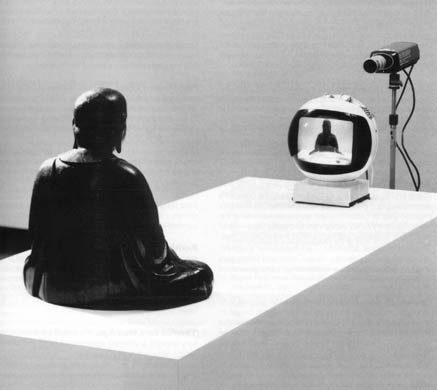
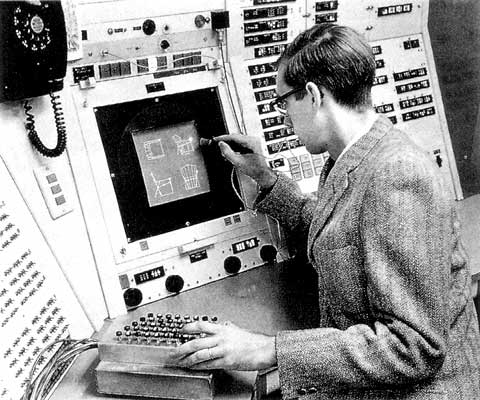
This course provides a historical overview of Twentieth Century art that confronts, uses and expands communication and media technologies. This course is based on the premise that art that incorporates technology is not a marginal activity, but central to the histories of art and visual culture. Works investigated include works or writings by Claes Oldenburg, Robert Rauschenberg, Jack Burnham, Billy Klüver, Nam June Paik, Gary Hill, Bill Viola, and early work in computing and networked technologies. This course will delve into the historiography of why this work, especially computational projects, have not been included in most canons of art history. The history of interdisciplinary collaborations between artists, engineers and computer scientists will also be explored. For media arts students, this course can be thought of as a history of their discipline and for art history students it can be thought of as an introduction and analysis of contemporary communication technologies in the history of art.
Level: Upper level undergraduate or graduate.
Format: Seminar.
Discipline: This course is intended for art history, media arts, or media studies students, but is also of interest to individuals with an interest to visual studies, film theory, critical theory, intellectual history, and communication studies.
Prerequisites: Introductory course in Art History, Media Arts, Film Theory, Communication Studies, Informatics or Comparative Literature.
Deliverables: Students will each give a presentation on one reading or project. One term paper of 15 pages.
Readings:
Burnham, Jack. Beyond Modern Sculpture: The Effects of Science and Technology On The Sculpture of This Century, (New York, G. Braziller, 1968).
Hall, D., Fifer, S. J. (eds). Illuminating Video: An Essential Guide to Video Art. (Aperture, 2005).
Hultén, K.G. Pontus. The Machine as Seen at the End of the Machine Age, (New York: Museum of Modern Art, 1968).
Kac, Eduardo. "Foundation and Development of Robotic Art," Art Journal, 56:3 (Fall 1997): 60.
Klüver, B., J. Martin, et al. Some More Beginnings: An Exhibition of Submitted Works Involving Technical Materials and Processes. (New York, Museum of Modern Art and Technology. 1968).
Wilson, Stephen. Information Arts: Intersections of Art, Science, and Technology, (MIT Press, 2002).
Course: THE EMERGENCE OF CINEMA
Catalog Description:
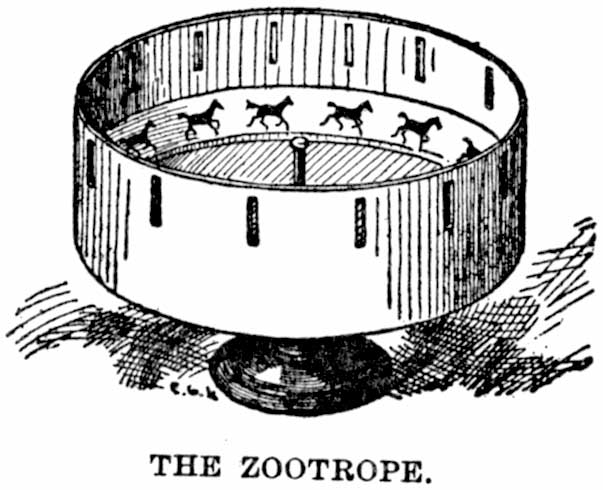
This course provides a historical and theoretical overview of techniques and concepts that led to the emergence of cinema in the 19th Century. Topics include shadow performances, the camera obscura, magic lanterns, the Phenakistoscope and Zootrope, phantasmagoria performances, peep devices like the Kinetoscope and Mutoscope, and photographic locomotion studies by Muybridge and Marey. The emergence of cinema will be placed in reference to other interconnected social and technical contexts of the time including the diorama, the parlor, and vaudeville. This course investigates the role of the observer and technologies of representation in
terms of historically specific, interlocking fields of practice, power, and knowledge and not as simply a precursor to film.
Level: Upper level undergraduate or graduate.
Format: Seminar.
Discipline: This course is intended for film studies or media studies students, but is also of interest to animation, visual studies, film theory, communication studies and history students.
Prerequisites: Introductory course in Art History, Media Arts, Film Theory, Communication Studies or Comparative Literature.
Deliverables: One hands-on assignment where students construct a Zootrope strip animation and a Thaumatrope disc.
Students will each give a presentation on one reading or project. One term paper of 15 pages.
Readings:
Abel (ed), "Encyclopedia of Early Cinema"
Braun, "Picturing Time: The Work of Etienne-Jules Marey (1830-1904)"
Burch, "Life to Those Shadows"
Ceram, "Archaeology of the Cinema"
Crary, "Modernity and the Problem of the Observer"
Crary, "Techniques of the Observer. On Vision and Modernity in the Nineteenth Century"
Gunning, "An Aesthetic of Astonishment: Early Film and the [In]Credulous
Spectator" in Viewing Positions, ed. Linda Williams (New Brunswick:
Rutgers, 1995)
Gunning, "The Cinema of Attractions: Early Film, Its Spectator and the
Avant-Garde"; in Early Film ed. Thomas Elsaesser and Adam Barker
(British Film Institute, 1989)
Gunning, "Vienna Avant-Garde and Early Cinema",
http://www.sixpackfilm.com/archive/veranstaltung/festivals/earlycinema/symposion/symposion_gunning.html#1
Gunning, "Phantasmagoria: The Technology of the Moving Picture
as a Model for Human Perception",
http://cri.histart.umontreal.ca/Grafics/colloques/domitor/Resume-conferenciers/Gunning.htm
Gunning, "Illusions Past and Future: The Phantasmagoria and its
Specters", http://www.mediaarthistory.org/Programmatic%20key%20texts/pdfs/Gunning.pdf
Gunning, "From Kaleidoscope to the X-Ray: Urban Spectatorship, Poe, Benjamin
and Traffic is Souls (1913)" in Wide Angle, Vol. 19, no. 4, pp. 25-63.
Hankins & Silverman, "Instruments and the Imagination". Princeton, New Jersey: Princeton University Press, 1995
Musser, "The Emergence of Cinema: The American Screen to 1907 (History of the American Cinema, Vol 1)"
Stafford, "Devices of Wonder: From the World in a Box to Images on a Screen" (Getty Trust Publications: Getty Research Institute for the History of Art and the Humanities)
Course: CRITICAL STUDIES IN NEW MEDIA
Catalog Description:
This course addresses key issues in the philosophy of digital media, and builds upon existing scholarly research in
film, literature, and media studies to analyze in what ways digital media is "new" and what ways it is not. This course is critical of envisioning digital technologies as being completely new: it instead looks at digital modes of representation in parallel to other forms, and how digital technologies transform, remediate and revert earlier media practices. Topics include the materiality of media and information, media specificity and convergence,
identity theft and virtual identities, recent discourse regarding posthumanism, and the blending of biotechnology and information technology.
This seminar examines digital media
technologies from a transdisciplinary perspective, and proposes
the development of a critical analytical framework for relating digital media to other areas of academic discourse.
This course investigates the close interrelationships among technology, culture and communication in order to form a solid foundation for scholarly digital and media production.
Level: Upper level undergraduate or graduate.
Format: Seminar with weekly online wiki postings.
Discipline: This course is intended for media studies and digital media students, but is also of interest to informatics, digital humanities, visual studies, film, and communication studies students.
Prerequisites: Introductory course in Computer Science, Informatics, Art History, Media Arts, Film Theory, Communication Studies or Comparative Literature.
Deliverables: Weekly wiki postings on assigned readings. Students will each give a presentation on one reading or project. One term paper of 15 pages.
Readings:
Donna Haraway, Cyborg Manifesto.
Andrew Feenberg, Transforming Technology: A Critical Theory Revisited.
Félix Guattari, Machinic Heterogenesis.
Mark Poster, What's the Matter with the Internet? (Minnesota).
Jean Baudrillard, Selected Writings (Stanford).
Henry Jenkins, Convergence Culture (2006).
Geert Lovink, Zero Comments Blogging and Critical Internet Culture (2007).
Friedrich Kittler, Literature, Media, Information Systems (G & B Arts International)
Lev Manovich, The Language of New Media (Cambridge, MIT Press, 2002).
Eugene Thacker, Biomedia (University of Minnesota Press, 2004).
Thorburn & Jenkins (eds.) Rethinking Media Change. The Aesthetics of Transition.
Wardrip-Fruin, N. and N. Montfort, (eds.) The New Media Reader. (Cambridge, MIT Press. 2003).
Course: ARTIFICIAL LIFE: THE QUEST FOR LIVING TECHNOLOGIES
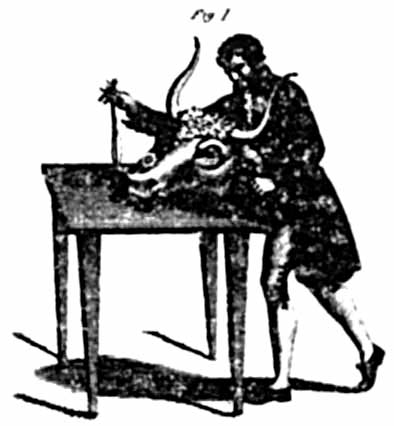
Catalog Description: Artificial Life: The Quest for Living Technologies is an upper level undergraduate or graduate seminar that investigates the intersection between the biological and non-biological by exploring the history of human-created living systems.
We will examine real and imagined technologies, including: Prometheus, golems, clock metaphors for the universe, the 'spark of life' and animal electricity, thinking machines and Turing tests, self-regulating systems and cybernetics, cellular automata, self-organizing systems and emergence, swarm intelligence, computer viruses,
art using biological organisms, telepresence, stem cell therapies and cloning, patenting organisms, video game AI, the cyborg soldier, biorobotics, and biomimetic technologies.
Level: Upper level undergraduate or graduate.
Format: Weekly seminar, with online discussion / postings.
Discipline: Interdisciplinary course in literature and history of technology. Also of interest to informatics, media studies, gender studies, or electronic/digital arts students.
Prerequisites: Must be an upper level undergraduate or graduate student.
Deliverables: Short reading responses, one critical essay, and a final project relating to some aspect of artificial life, historical or
contemporary.
Readings:
Aldini, Giovanni. Galvanic Experiments performed by John Aldini On the Body of a Malefactor, 1803. (London, 1803).
Bloch, Hayim, The Golem; Legends of the Ghetto of Prague. Translated from the German by Harry Schneiderman. (Blauvelt, NY: Rudolf Steiner Publications, 1972).
Capek, Karel. R.U.R. (Rossum's Universal Robots): A Fantastic Melodrama. Trans. Paul Selver. (New York: Doubleday, 1923).
Deleuze, Giles and Felix Guattari. "November 28, 1947: How Do You Make Yourself a Body Without Organs?" A Thousand Plateaus: Capitalism and Schizophrenia. Trans. Brian Massumi. (Minneapolis: U of MI P, 1987).
Gray, Chris Hables ed., The Cyborg Handbook, (New York: Routledge, 1995).
Haraway, Donna. The Haraway Reader, (New York: Routledge, 2004).
Hayles, N. Katherine. How We Became Posthuman: Virtual Bodies In Cybernetics, Literature and Informatics, (Chicago: University of Chicago Press. 1999).
Holland, Owen. "Grey Walter: The Pioneer of Real Artificial Life," in Christopher G. Langton and Katsunori Shimohara, eds., Artificial Life V (Cambridge, Mass., 1997).
Huxley, T.H. "On the Hypothesis That Animals Are Automata, and Its History" (1874), in Collected Essays (New York, 1894-98).
Morus, Iwan Rhys. Frankenstein's Children: Electricity, Exhibition and Experiment in Early-Nineteenth-Century London. (Princeton: Princeton University Press, 1998).
Morus, Iwan Rhys. "Galvanic Cultures: Electricity and Life in the Early Nineteenth Century." Endeavour 22.1 (1998): 7-11.
Offray de La Mettrie, Julien. Man a Machine and Man a Plant, trans. Richard A. Watson and Maya Rybalka (Indianapolis, 1994), 71-72 (first published as L'Homme-machine in 1747).
Penny, Simon. "The Pursuit of the Living Machine," Scientific American, (September 1995): 216.
Riskin, Jessica. "The Defecating Duck, Or, The Ambiguous Origins of Artificial Life," in Critical Inquiry Summer 2003, Vol. 20, no. 4, 599-633.
Shelley, Mary. Frankenstein. 1818. (New York: Norton, 1996).
Standage, Tom. The Turk: The Life and Times of the Famous Eighteenth-Century Chess-Playing Machine (New York, 2002).
Vaucanson, Jaques. Le mécanisme du fluteur automate (Paris, 1738).
Wood, Gaby. Living Dolls: A Magical History of the Quest for Mechanical Life (London, 2002).